
Certified Translation for Legal Proceedings: What Courts, Immigration, and Government Agencies Expect
31 Dec 2025

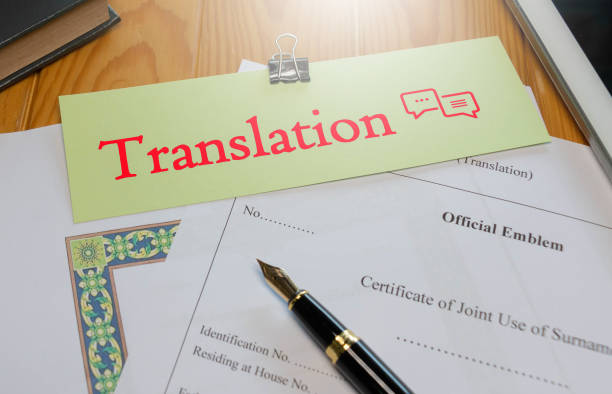
Courts, immigration authorities, and government agencies across Australia require documents to meet strict regulatory standards through certified translation for legal proceedings. Legal proceedings depend on accurate, authenticated translations to ensure justice, compliance, and proper decision-making. Whether you need affidavit translation, police statements, contract translations, or other legal document translation, understanding what these authorities expect prevents costly delays, rejections, and potential legal complications. NAATI certification represents the gold standard for legal matters in Australia, providing the authenticity and professional credibility that courts and government agencies demand.
Understanding Legal Translation Requirements in Australia
Legal document translation involves translating documents used in court proceedings, immigration applications, government submissions, and regulatory compliance matters. Australian courts and government agencies require translations that meet specific standards to ensure accuracy, authenticity, and legal validity. The translation must faithfully represent the original document's content, meaning, and legal implications without addition, omission, or interpretation that could alter the document's legal standing.
NAATI (National Accreditation Authority for Translators and Interpreters) is Australia's official body for setting and maintaining standards in the translation industry. Document Translation Services employs NAATI-certified translators who have demonstrated professional skill and ethical competence through rigorous testing and certification processes. These translators follow the industry's Code of Ethics and understand the legal implications of translation accuracy in court and government contexts.
Courts and government agencies reject translations that lack proper certification, contain errors, or fail to meet regulatory standards. The consequences of inadequate translation extend beyond simple rejection. In legal proceedings, poor translations can result in miscarriages of justice, wrongful convictions, dismissed cases, or unfavorable judgments. For immigration applications, rejected translations delay visa processing, potentially affecting employment, family reunification, and residency status. Understanding and meeting these requirements from the outset ensures your legal matters proceed without translation-related complications.
NAATI Certification for Legal Matters
NAATI certification is essential for certified translation for court documents Australia and all official legal purposes. NAATI-certified translators have passed comprehensive examinations testing their language proficiency, translation accuracy, and understanding of professional ethics. The certification process ensures translators can handle complex legal terminology, understand both source and target legal systems, and maintain the precise meaning required in legal contexts.
A NAATI-certified translation includes the translator's signature, official stamp, contact details, and NAATI certification number. The certification statement declares that the translation is accurate and complete to the best of the translator's knowledge. This statement carries legal weight and makes the translator professionally and ethically accountable for translation quality. Courts and government agencies across Australia recognize and accept NAATI certification as meeting their translation standards.
When you work with NAATI-certified translators , you receive translations guaranteed to be accepted by Australian courts, the Department of Home Affairs, state and federal government agencies, legal firms, and other official bodies. The NAATI certification provides assurance that your legal document translation meets the highest professional standards and will withstand scrutiny in legal proceedings.
Types of Legal Documents Requiring Certified Translation
Affidavit translation represents one of the most common legal document types requiring certified translation. An affidavit is a written statement confirmed by oath or affirmation for use as evidence in court proceedings. Affidavits contain sworn testimony, facts, and declarations that parties present as evidence. The translation must accurately convey every statement, maintaining the precise legal meaning and evidentiary value of the original affidavit.
Other legal documents requiring certified translation include:
- Court judgments and orders from foreign jurisdictions
- Legal correspondence and notices
- Power of attorney documents
- Wills and testamentary documents
- Corporate legal documents and certificates
- Immigration documents and supporting evidence
- Family law documents including divorce decrees and custody agreements
Regulatory Standards for Court-Accepted Translation
Australian courts maintain strict standards for accepting translated documents as evidence or supporting documentation. The translation must be complete, accurate, and certified by a qualified translator. Courts expect translations to maintain the same legal effect as the original document, conveying precise meaning without interpretation or commentary. The translator's role is to translate, not to explain, interpret, or provide legal opinions about the document's content.
Court-accepted translation requires proper certification that identifies the translator, confirms their qualifications, and declares the translation's accuracy. The certification must include the translator's full name, NAATI certification number, contact information, signature, and date of translation. Legal document translation services provide this certification on official letterhead with the translator's stamp, creating a professionally presented document suitable for court submission.
Immigration Translation Requirements
The Department of Home Affairs requires certified translations for all non-English documents submitted with visa and immigration applications. These translations must meet specific standards outlined by the department. For translations completed within Australia, the translator must be NAATI-certified. For translations completed outside Australia, the translator must provide details of their qualifications, experience, and full contact information.
Immigration document translation includes birth certificates, marriage certificates , divorce decrees, police clearance certificates, academic transcripts, employment records, and financial documents. Each document type has specific translation requirements regarding content completeness, certification format, and supporting documentation. Immigration applications often require multiple translated documents, and consistency across all translations is essential for application acceptance.
Translation authenticity is critical for immigration purposes. The Department of Home Affairs may verify translations with the translator or request additional documentation confirming the translation's legitimacy. Professional translation services maintain records of completed translations and can provide verification when requested by immigration authorities. When you use certified translation services , your translations are guaranteed to meet Department of Home Affairs standards and will be accepted without complications.
Government Agency Translation Expectations
State and federal government agencies across Australia require certified translations for various regulatory, licensing, and administrative purposes. Agencies including birth, deaths and marriages registries, professional licensing boards, educational credential assessment services, and regulatory authorities all have specific translation requirements. Understanding these requirements prevents application delays and ensures smooth processing of your submissions.
Government agencies expect translations that are accurate, complete, and professionally certified. The certification must clearly identify the translator's qualifications and confirm the translation's accuracy. Many agencies specifically require NAATI certification, while others accept translations from qualified translators who meet their stated requirements. Always verify the specific translation requirements with the agency where you will submit your documents.
Government agencies may reject applications based on inadequate translations, requiring resubmission with proper certified translations. This rejection delays your application, potentially affecting employment opportunities, professional licensing, or other time-sensitive matters. Investing in proper NAATI-certified translation from the beginning avoids these delays and ensures your application moves forward efficiently.
Ensuring Translation Validity and Authenticity
Translation validity depends on proper certification, translator qualifications, and adherence to professional standards. Valid translations are completed by qualified translators who certify their work and take professional responsibility for accuracy. The certification statement must be clear, complete, and signed by the translator with their official stamp or seal. This certification provides the legal and professional foundation for the translation's acceptance by courts and government agencies.
Authenticity verification involves confirming that the translation genuinely represents the original document and was completed by a qualified translator. Courts and government agencies may verify translations by contacting the translator, checking NAATI certification status, or requesting additional documentation. Professional translation services maintain detailed records and can provide verification when requested by authorities.
Several factors indicate translation authenticity and quality:
- NAATI certification number that can be verified through official channels
- Professional letterhead with translator contact information
- Clear certification statement declaring accuracy
- Proper formatting that mirrors the original document structure
- Complete translation including all stamps, seals, and markings
- Professional presentation without errors or informal elements
Examples of Correct vs Incorrect Legal Translations
Correct legal translation maintains precise meaning, legal terminology, and document structure while providing complete certification. For example, translating a foreign police clearance certificate correctly involves translating the document title, issuing authority, certificate holder's details, clearance statement, issue date, and all official stamps or seals. The certification statement confirms these elements are accurately translated, and the translator's credentials are clearly displayed.
Working with Professional Legal Translation Services
Choosing qualified legal translation services significantly impacts your legal proceedings and government applications. Look for services specializing in legal document translation with proven experience handling court documents, immigration papers, and government submissions. The translator's familiarity with legal terminology, procedural requirements, and certification standards ensures translations meet all necessary criteria for acceptance.
When you work with Document Translation Services, you receive NAATI-certified translations guaranteed for acceptance by Australian courts, government agencies, and official bodies. The service includes proper certification, professional presentation, and quality assurance that ensures your translated documents meet the highest standards for legal and official purposes. Contact us today to get your documents professionally translated and certified.
Frequently Asked Questions
Q1: Can I use machine translation for court documents in Australia?
No. Australian courts require NAATI-certified human translation. Machine translations lack proper certification and accuracy required for legal proceedings and are never accepted.
Q2: What is the difference between certified and sworn translation?
Certified translation includes the translator's signed certification of accuracy. Sworn translation adds a statutory declaration made under oath before an authorized official.
Q3: How long does a NAATI-certified legal translation take?
Standard legal translation takes 3-5 business days. Rush services deliver translations within 24-48 hours for urgent court deadlines, maintaining full NAATI certification standards.
Q4: Do all Australian courts accept the same translation format?
Yes, Australian courts accept NAATI-certified translations. However, some proceedings may require sworn translations or additional authentication depending on case specifics.
Q5: Can I translate legal documents myself for immigration?
No. The Department of Home Affairs requires NAATI-certified translations done by qualified professional translators. Self-translation or family member translation is not accepted.