
Understanding the Turnaround Time for Document Translation in Australia
27 Feb 2026

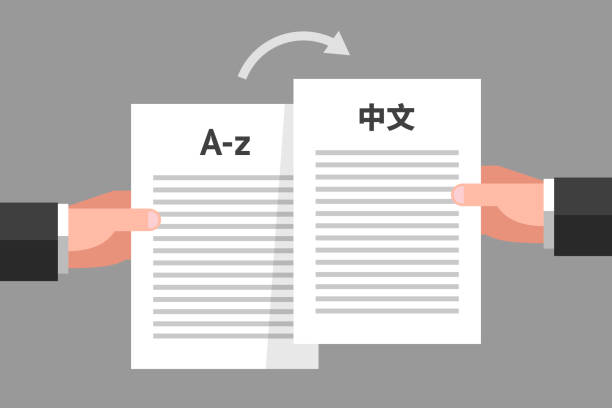
When facing urgent visa applications or university enrolment deadlines, understanding how long your document translation will take becomes critical. The turnaround time for document translation Australia varies based on several factors and knowing what influences speed can help you plan accordingly. Whether you need a birth certificate translated for immigration or academic transcripts for university admission, this guide breaks down realistic timelines and what you can expect.
Many people assume all translation services work at the same pace, but this isn't accurate. Factors like document complexity, language pair, certification requirements, and service level all play significant roles in determining delivery speed.
Typical Turnaround Times for Different Translation Services
Understanding standard processing times helps set realistic expectations. Most document translation services offer tiered options to accommodate different urgency levels. Standard processing typically ranges from 2-5 business days, while expedited services can deliver within 24 hours.
The turnaround time for document translation Australia depends heavily on the service tier you select. Basic translations without certification may process faster than those requiring official stamps and signatures from accredited translators.
Standard Processing Times
For routine requests without urgent deadlines, standard turnaround usually falls between 3-5 business days. This timeline applies to straightforward documents like personal certificates, statements, or single-page agreements. The processing includes translation, proofreading, and quality checks before delivery.
Standard timelines work well when you have flexible deadlines. However, during peak periods like the start of academic semesters or visa application rushes, even standard processing may experience slight delays.
Express and Same-Day Translation Options
When deadlines loom, express services become essential. Many providers offering certified translation services include expedited options. Same-day translation is possible for documents under 500 words, though this depends on translator availability and current workload.
Express services typically deliver within 24-48 hours and suit urgent visa applications or last-minute university submissions. Same-day translation generally requires submission before midday to allow adequate processing time. Keep in mind that express services carry premium pricing due to the prioritised handling.
How Long NAATI Certification Takes
NAATI certification adds an additional layer to the translation process. When you need official translation services, the timeline extends slightly to accommodate proper certification procedures. Understanding how long NAATI certification takes helps you plan submission dates more accurately.
The certification itself doesn't significantly extend processing time when working with qualified translators. Most NAATI approved translator professionals complete the translation and certification simultaneously. However, the review process ensures accuracy and compliance with Australian government standards.
NAATI Certification Process Timeline
For standard requests, how long NAATI certification takes typically ranges from 2-4 business days. This includes translation by a NAATI approved translator, quality assurance checks, and applying the official certification stamp. The translator must verify their credentials and ensure the translation meets all regulatory requirements.
When urgency demands faster processing, many providers offer expedited NAATI certification. This service can reduce the timeline to 24-48 hours, though availability depends on the specific language pair and document complexity.
The Upload Process and Its Impact on Turnaround Time
The upload process significantly influences overall delivery speed. Submitting clear, legible scans or photos accelerates translation work, while poor-quality images can cause delays. When you use document translation services, ensuring proper file preparation saves valuable time.
Most providers accept PDF, JPEG, or PNG formats through their online platforms. The upload process should be straightforward, allowing you to attach documents, specify languages, and select service levels in minutes. Complete and accurate information during the upload process prevents clarification delays later.
Best Practices for Quick Upload Processing
To minimise processing delays related to the upload process, follow these guidelines:
- Scan documents at 300 DPI or higher for clear text reproduction
- Ensure all pages are oriented correctly and fully visible
- Provide complete contact information for delivery coordination
- Specify any special requirements or deadline constraints upfront
When documents require certification, uploading both sides of cards or multi-page documents in order helps translators work more efficiently. Missing pages discovered mid-translation can add 24 hours to the turnaround time for document translation Australia.
Payment Processing and Service Activation
Payment confirmation typically triggers immediate service activation. Most certified translation services begin work within hours of receiving cleared payment. Understanding this connection helps you plan accordingly when facing tight deadlines.
Different payment methods affect processing speed. Credit card and online payment systems confirm instantly, while bank transfers may require 1-2 business days for clearance. For same-day translation needs, choose instant payment methods to avoid unnecessary delays.
Expedited Payment Options
When every hour counts, selecting the right payment method matters. PayPal, credit cards, and direct debit systems clear immediately, allowing translators to start work without waiting. Some providers even offer payment plans for larger projects, though these typically don't qualify for express services.
Always confirm payment receipt before assuming work has commenced. Most reputable providers send automatic confirmation emails, but during busy periods, manual verification ensures your request enters the queue promptly.
Delivery Options and Final Timeline Considerations
Delivery options directly impact when you receive your completed translation. Electronic delivery via email arrives within minutes of completion, while physical copies require courier or postal timeframes. Understanding available delivery options helps you choose appropriately based on your submission requirements.
Many government agencies and universities now accept digital copies of official translation services, making email delivery the fastest option. However, some institutions still require original certified hard copies with raised seals or stamps.
Electronic vs Physical Delivery
Electronic delivery suits most urgent situations. PDF files with digital certification arrive immediately upon completion, allowing same-day translation requests to conclude within hours. You can print these certified copies yourself, though some institutions may question their authenticity without original stamps.
Physical delivery through express post adds 1-2 business days in metropolitan areas, longer for regional locations. When absolute urgency demands, some providers offer courier services with same-day delivery options, though this significantly increases costs.
Common Causes of Delays and How to Avoid Them
Understanding potential delays helps you proactively prevent them. Poor document quality, incomplete information, and unclear instructions represent the most common delay sources. When working with document translation services, anticipating these issues keeps your project on track.
Delays often occur when documents contain handwritten sections, faded text, or complex formatting. These elements require additional clarification time, potentially adding 12-24 hours to standard processing. Similarly, rare language pairs may have limited translator availability, extending timelines beyond typical estimates.
Document Quality Issues
Illegible text forces translators to request better copies, immediately adding delays to the turnaround time for document translation Australia. Faded stamps, smudged signatures, or folded documents photographed at angles all create readability challenges. Taking time to produce crisp, clear scans prevents these common delays.
When documents contain security features like watermarks or background patterns, ensure these don't obscure text during scanning. Adjusting scanner settings or using higher resolution captures typically resolves these issues before submission.
Information Gaps and Communication Delays
Incomplete order information creates back-and-forth communication that adds hours or days to delivery timelines. Specifying whether you need NAATI certification, how many copies, and preferred delivery options during initial submission prevents clarification delays later.
Some delays stem from unavailability during translator queries. If you submit documents and become unreachable, translators may pause work pending clarification. Providing backup contact numbers and remaining available during critical processing periods minimises these interruptions.
What Affects Translation Speed Beyond Document Factors
External factors influence delivery timelines just as much as document characteristics. Translator availability, current workload, public holidays, and peak season demand all impact how quickly certified translation services can complete your request.
Peak periods like January and February see increased demand for university admissions translations, while mid-year corresponds with visa application surges. During these times, even standard processing may extend by 1-2 days due to volume.
Language Pair Availability
Common language pairs like Spanish English or Mandarin-English typically process faster due to greater translator availability. Less common combinations might require locating specialised translators, potentially adding 24-48 hours to standard timelines. When you need official translation services for rare languages, booking well in advance proves essential.
NAATI approved translator availability also varies by language. While major languages have numerous certified professionals, some combinations might have only a handful of accredited translators across Australia. This scarcity directly impacts how long NAATI certification takes for specific language pairs.
Seasonal Demand Fluctuations
Understanding demand patterns helps you plan submissions strategically. University application deadlines create predictable surges in educational document translations. Similarly, changes to visa policies or new immigration programs trigger increased demand for specific document types.
Booking during quieter periods often results in faster turnaround times and sometimes reduced pricing. Mid-week submissions typically process faster than Friday afternoon orders, which might not commence until the following Monday.
Tips to Speed Up Your Translation Process
Several strategies can accelerate your translation timeline without compromising quality. Proper preparation, clear communication, and strategic timing all contribute to faster delivery. When facing urgent deadlines, implementing these tips maximises your chances of timely completion.
Start by gathering all required documents before beginning the upload process. Having everything ready prevents submission delays and allows translators to process your complete request in one workflow. This approach particularly benefits larger projects requiring multiple document translations.
Preparation Strategies
Organise documents logically before uploading. Group related items together and clearly label each file. This organisation helps translators understand context and relationships between documents, potentially improving accuracy and speed. When using document translation services, this professionalism often results in prioritised handling.
Consider the following preparation steps:
- Compile all required documents in a single folder before starting
- Create a brief description of each document's purpose and required deadline
- Verify all pages are present and legible before uploading
- Prepare payment information to complete transactions immediately after quotes
Communication Best Practices
Clear, concise communication prevents misunderstandings that cause delays. When requesting same-day translation, explicitly state this requirement during initial submission rather than assuming the provider will infer urgency. Provide specific deadline information including dates, times, and submission requirements.
Respond promptly to translator queries. Setting up notifications ensures you don't miss important clarification requests that could stall progress. Some providers offer direct messaging or chat support, enabling real-time communication that resolves issues immediately.
Understanding Express Services Limitations
While express services and same-day translation offer rapid solutions, they come with constraints. Word count limits, language availability, and premium pricing all factor into whether express options suit your needs. Knowing these limitations helps set realistic expectations.
Most providers cap express services at 500-1000 words to maintain quality while meeting tight deadlines. Documents exceeding these limits require standard processing or splitting across multiple orders. Additionally, highly technical or specialised content may not qualify for express handling due to complexity.
When Express Services Make Sense
Express services suit straightforward documents with clear text and standard formats. Birth certificates, marriage certificates , police clearances, and academic transcripts typically qualify. However, complex legal contracts, medical reports with technical terminology, or documents requiring extensive formatting may need standard timelines regardless of urgency.
Consider express services when:
- You have a firm deadline within 48 hours
- Documents are under word count limits
- Content is straightforward without technical jargon
- Budget accommodates premium pricing
Alternative Solutions for Very Urgent Needs
When same-day translation isn't available for your specific requirements, consider provisional translations. Some providers offer preliminary versions for immediate use, followed by final certified copies within standard timeframes. This approach allows you to meet initial submission deadlines while ensuring proper certification follows.
Another strategy involves requesting partial translations. If only specific sections require immediate attention, translating those portions first can provide enough information for preliminary submissions or decisions while complete translations process normally.
Working with NAATI Approved Translators
Engaging NAATI approved translator professionals ensures your translations meet Australian government standards. This accreditation guarantees translators possess verified language proficiency and understand official documentation requirements. When government agencies or institutions require certified translations, NAATI approval is typically mandatory.
NAATI certification carries specific quality benchmarks that impact processing time. Translators must verify credentials, apply official stamps, and sometimes provide statutory declarations. These steps, while adding minimal time, ensure your official translation services gain acceptance by all Australian authorities.
Verification and Quality Assurance
NAATI approved translator work undergoes rigorous quality checks. Many providers implement two-stage verification where a second translator reviews the initial translation before certification. This process adds marginal time but significantly improves accuracy, reducing rejection risks at submission points.
Understanding how long NAATI certification takes includes accounting for these quality measures. While adding 4-8 hours to processing, this verification prevents costly delays from rejected translations requiring retranslation and resubmission.
Planning for Visa and University Deadlines
Visa applications and university enrolments represent high-stakes submissions where timing proves critical. Missing these deadlines can delay plans by months or jeopardise opportunities entirely. Strategic planning around the turnaround time for document translation Australia prevents last-minute stress.
Immigration authorities and educational institutions rarely grant deadline extensions for translation delays. Building buffer time into your planning accommodates unexpected delays without jeopardising your application. Even when providers offer same-day translation, technical issues or unforeseen complications can occur.
Recommended Planning Timeline
For critical submissions, initiate translation requests at least two weeks before deadlines when possible. This buffer accommodates potential delays, allows time for corrections if needed, and reduces stress. When deadlines are imminent, communicate urgency clearly and consider express services despite higher costs.
Break larger translation projects into phases when feasible. Submit essential documents first under express services while processing supporting materials through standard timelines. This staged approach ensures critical items arrive promptly while managing costs effectively.
Contingency Planning
Always maintain contingency plans for translation needs. Research multiple providers offering certified translation services before urgent needs arise. Having backup options ready prevents panic if your primary provider experiences capacity issues during peak periods.
Consider these contingency measures:
- Identify at least two providers offering your required language pairs
- Understand each provider's express service capabilities and limitations
- Keep digital copies of all documents for quick submission if needed
- Monitor application deadlines closely and flag translation needs early
Maximising Value While Maintaining Speed
Balancing cost with turnaround speed requires strategic thinking. While express services command premium pricing, poor planning resulting in rushed last-minute orders proves even more expensive. Smart scheduling of document translation services optimises both budget and timeline.
Some providers offer discounted rates for advance bookings or volume submissions. If you know about upcoming translation needs weeks or months ahead, booking early often secures better rates while guaranteeing capacity. This approach particularly benefits students planning multiple academic credential translations.
Cost-Effective Scheduling Strategies
Submit non-urgent documents during standard processing to save on express fees. Reserve premium services only for truly time-critical materials. For example, if applying for university admission in September, translate academic records in June or July at standard rates rather than rushing in August at express pricing.
Bundling related documents sometimes reduces per-page costs. When multiple family members need birth certificate translations or you require several academic transcripts, processing them together may qualify for volume discounts while maintaining reasonable turnaround times.
Need help planning your translation timeline or want a personalised quote? Contact us today to discuss your document requirements, turnaround options, and the most cost-effective solution for your needs.
Frequently Asked Questions
What is the fastest turnaround time for document translation Australia?
Same-day translation is available for documents under 500 words when submitted before midday. Express services deliver within 24-48 hours for standard documents requiring NAATI certification.
How long does NAATI certification take for my documents?
Standard NAATI certification typically takes 2-4 business days. Expedited options reduce this to 24-48 hours depending on document complexity and current translator workload levels.
Can I get same-day translation for urgent visa applications?
Yes, same-day translation is possible for straightforward documents under 500 words. Submit early in the day and choose express delivery options to receive certified translations within hours of completion.
What causes delays in the document translation process?
Common delays include poor document quality, incomplete information during upload, rare language pairs with limited translator availability, and peak season demand during university application periods.
How do delivery options affect my overall turnaround time?
Electronic delivery via email arrives within minutes of completion. Physical delivery adds 1-2 business days in cities, longer in regional areas. Express courier options offer same-day physical delivery at premium rates.